

Before choosing cotton velvet, you need to know this!
Although cotton velvet offers a luxurious look, feels good and is a more sustainable fabric, it does come with some drawbacks when used for upholstery.
Many are drawn to it because it is a natural material, free from synthetic fibres – making it an eco-friendly choice and a suitable option for those with allergies to man-made fabrics. However, it’s important to first understand the potential drawbacks of this material:
- It is susceptible to crushing and pile distortion, which can result in noticeable marks over time.
- Handling certain cotton velvets can be challenging, as they require significant tension when attaching to the frames of your furniture, often leaving permanent imprints from upholsterers hands or thumbs.
- Transporting and delivering cotton velvet furniture is also risky, you can’t wrap in the same way as again it can cause permanent marks.
- Compared to synthetic or blended velvets, it is less durable and more prone to colour fading very quickly from UV light, even in a north facing room.
- It lacks natural water or stain resistance so cleaning can be difficult due to its tendency to attract dust and absorb moisture, making spills likely to leave stains or watermarks.
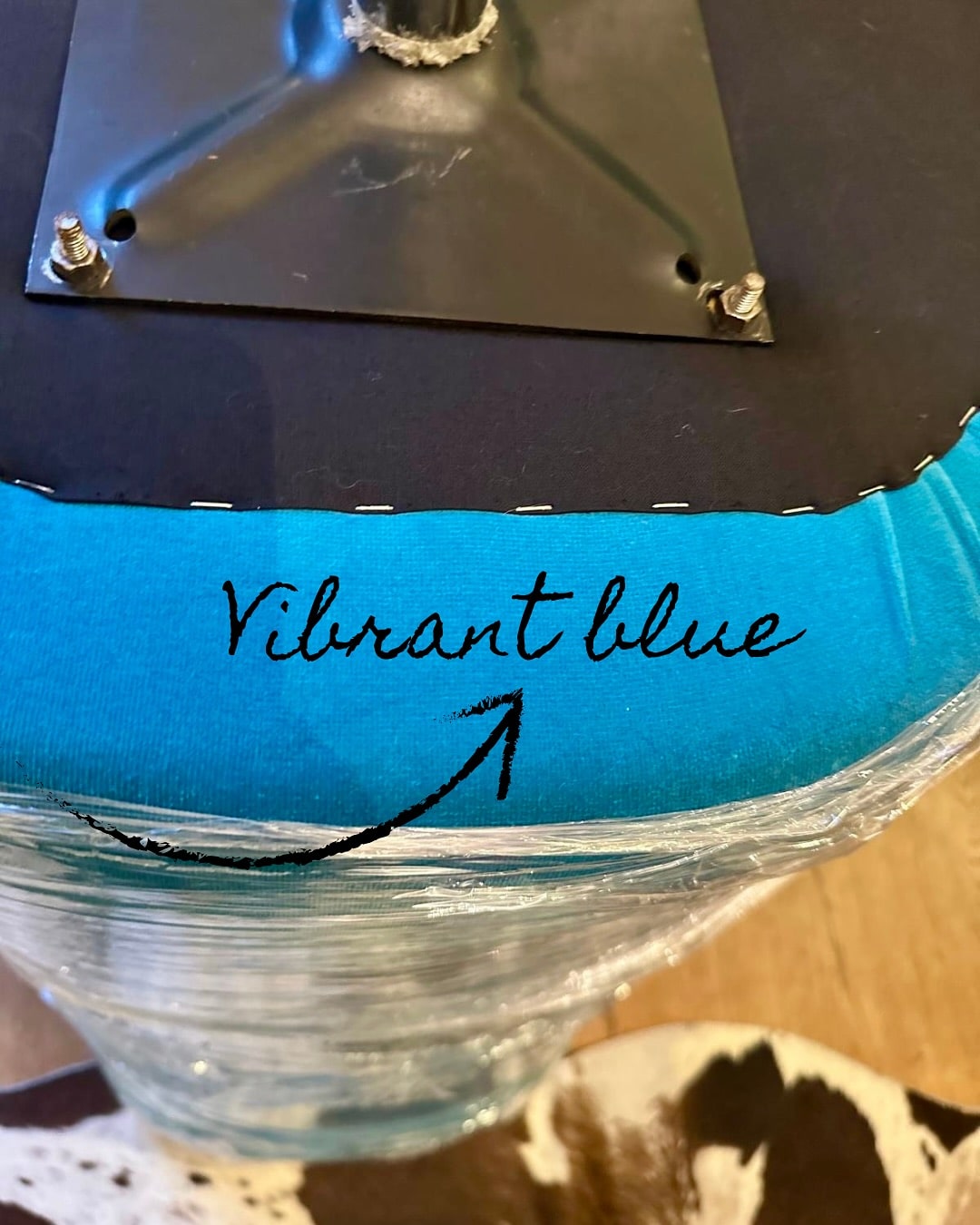
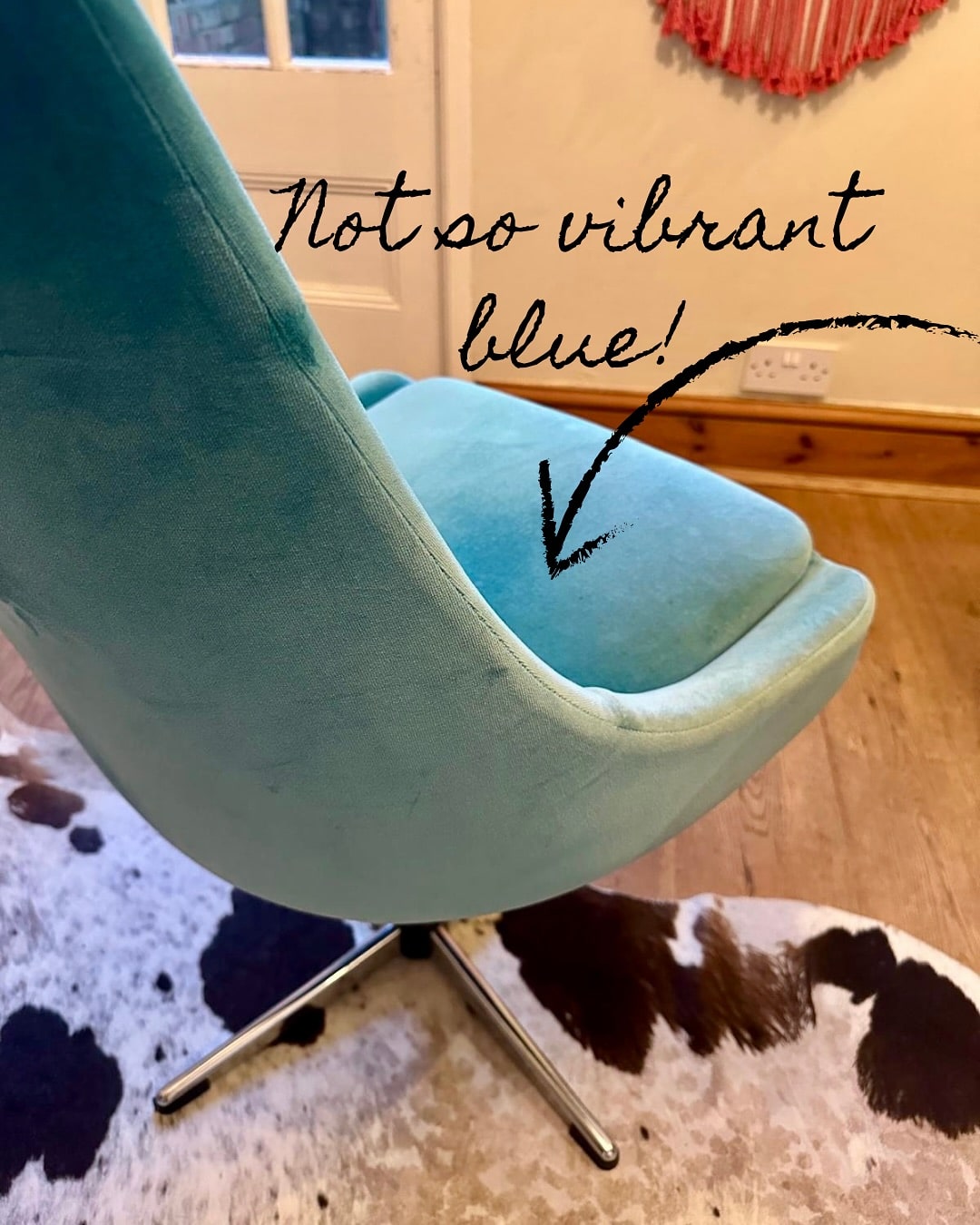
I had a call recently asking for advice on a recent sofa purchase from a well-known store. Tiny holes had started to appear less than 6 months after buying. I asked her if she had moths and well you can guess the answer. I asked for more information on the sofa so I could Google it and it was a cotton velvet. If you have any moths at all in your house, I wouldn’t recommend this material – it’s an issue that’s often overlooked when purchasing from a shop. Remember you are buying from a sales person not an experienced upholsterer.
Speaking from personal experience, having reupholstered my dining chairs in cotton velvet and my sofa in a cotton-blend velvet 8 years ago, I’ve noticed that, even with careful use, the dining chairs in particular, haven’t held up well over time.
My once-vibrant blue dining chairs have faded and worn far quicker than I expected, even in a north-facing room. Permanent crush marks have appeared on both the front and back simply from pushing them under the table. Food spills have left permanent stains that refuse to budge, no matter how hard I’ve tried—and trust me, I’ve tried! The evidence of my efforts is still visible.
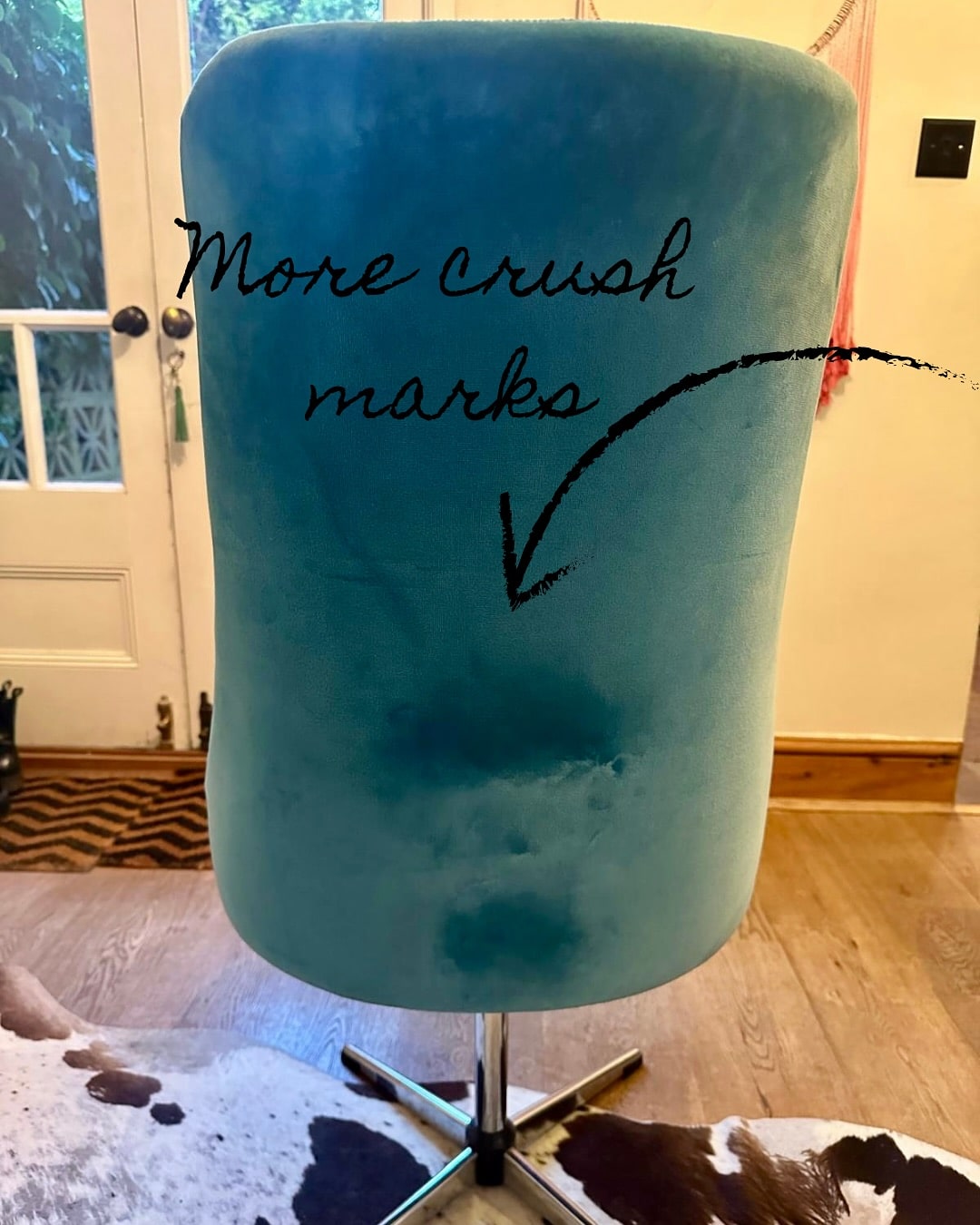
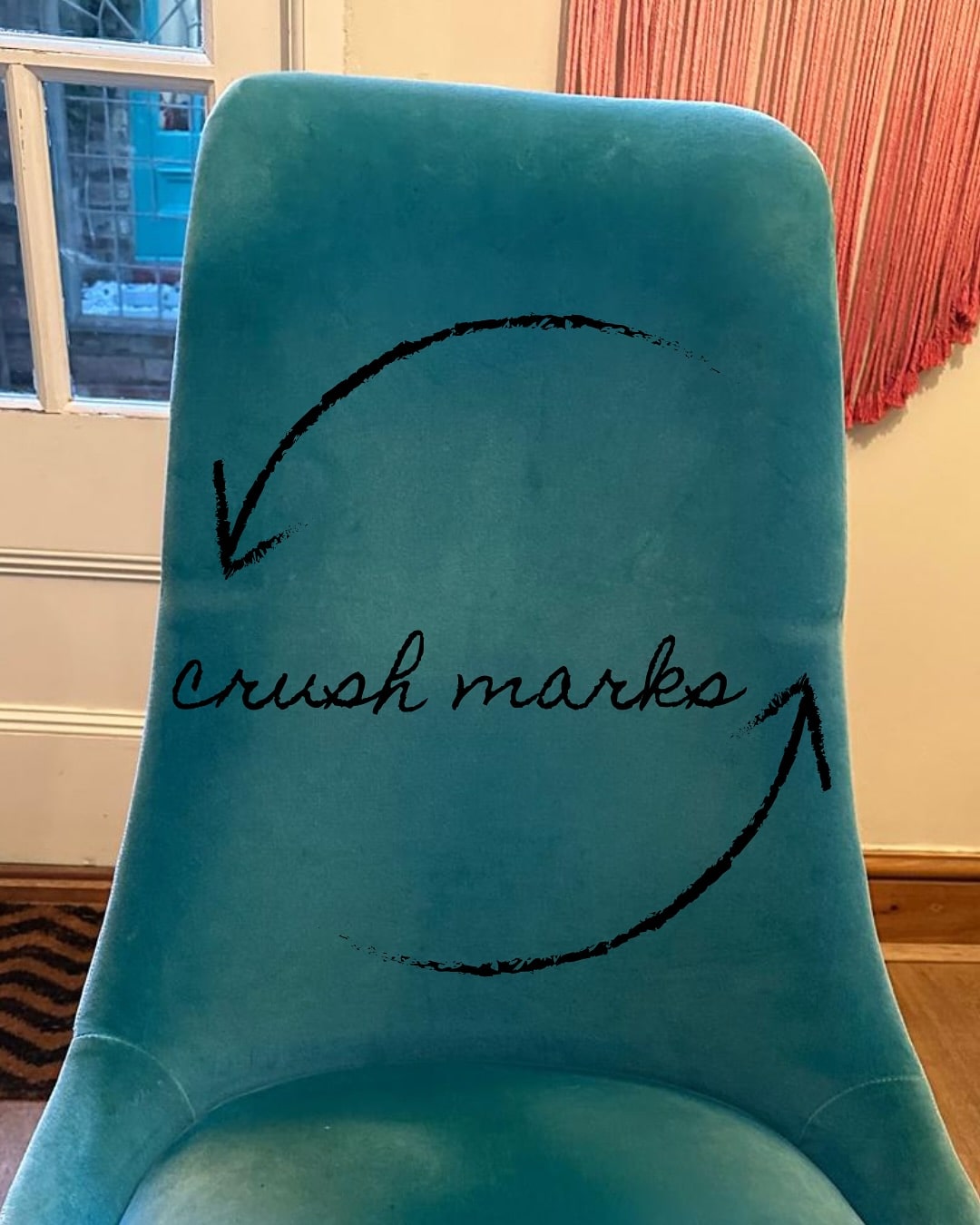
As for my sofa? Reilly and Ruby love to sit together in the middle on a blanket, but the dye from the cotton-blend velvet has worn away where their backs rest against the fabric. I should have protected the back with a cushion – lesson learned, though a little too late!
When I originally reupholstered these pieces, cotton velvet offered the widest range of colour options. However, if I were to do it again, I would opt for polyester velvet for my sofa and a printed velvet for my dining chairs, as it does a far better job of hiding minor spills. Polyester velvet is also much easier to clean compared to cotton velvet, which simply can’t compete.

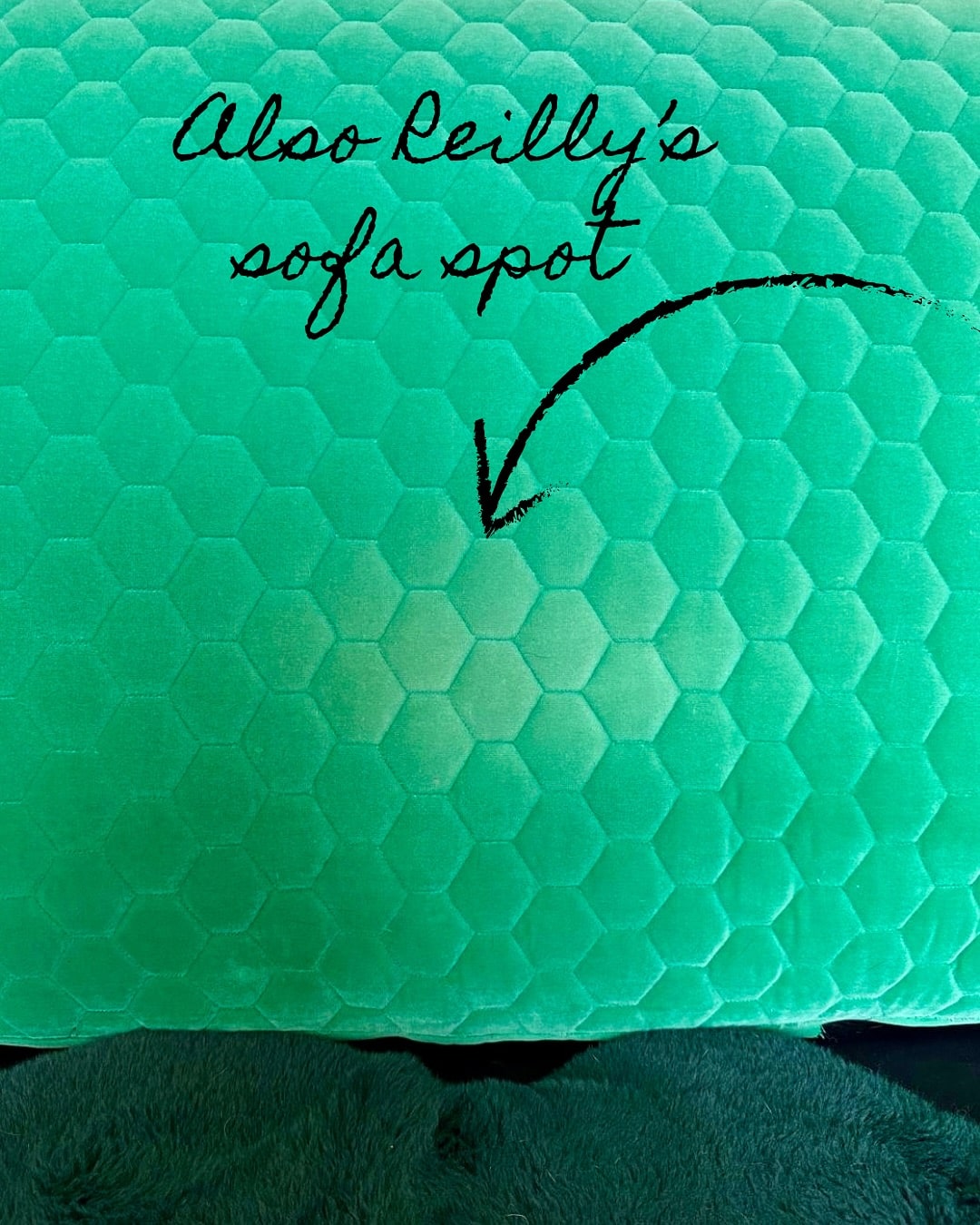
As for my sofa? Reilly and Ruby love to sit together in the middle on a blanket, but the dye from the cotton-blend velvet has worn away where their backs rest against the back fabric. I should have protected the back with a cushion – lesson learned, though a little too late!
When I originally reupholstered these pieces, cotton velvet offered the widest range of colour options and polyester velvet, at the time, was limited in colours and options, that’s not the case anymore! However, if I were to do it again, I would opt for polyester velvet for my sofa and a printed velvet for my dining chairs, as it does a far better job of hiding minor spills. Polyester velvet is also much easier to clean compared to cotton velvet, which simply can’t compete.G
Given these challenges, I no longer recommend cotton velvet for households with children and pets or those with a busy lifestyle – I simply can’t guarantee its durability. I truly wish there were a more sustainable alternative to polyester velvet that could meet the demands of everyday life!
When you work with me, you’ll receive expert guidance on selecting the perfect fabric for your furniture – one that aligns with your family’s lifestyle. If you buy furniture from a shop, you’re unlikely to get this level of thoughtful advice. The person assisting you should be asking the right questions, but if they don’t, take it upon yourself to ask! Inquire about the fabric composition – if it’s 100% cotton velvet or cotton (non-velvet) and will be placed in a conservatory or a room with abundant natural light, be aware that it will fade almost instantly.
I understand that reupholstery is a significant investment, and I want to ensure my customers are fully satisfied long after their purchase. It’s important to me that they make informed decisions, fully aware of what they’re buying, so they don’t face disappointment down the line. If they choose natural fibres such as cotton or cotton velvet, they should be aware of the potential risks, such as fading or marking, and how these might be affected by their specific home environment. My goal is to provide clarity and guidance, helping customers choose wisely and feel confident in their decisions.
Thinking about reupholstering? Let’s find a fabric that’s both beautiful and built to last.
Stay up to date
Keep up to date with the latest upholstery news and trends, delivered directly to your inbox.
